
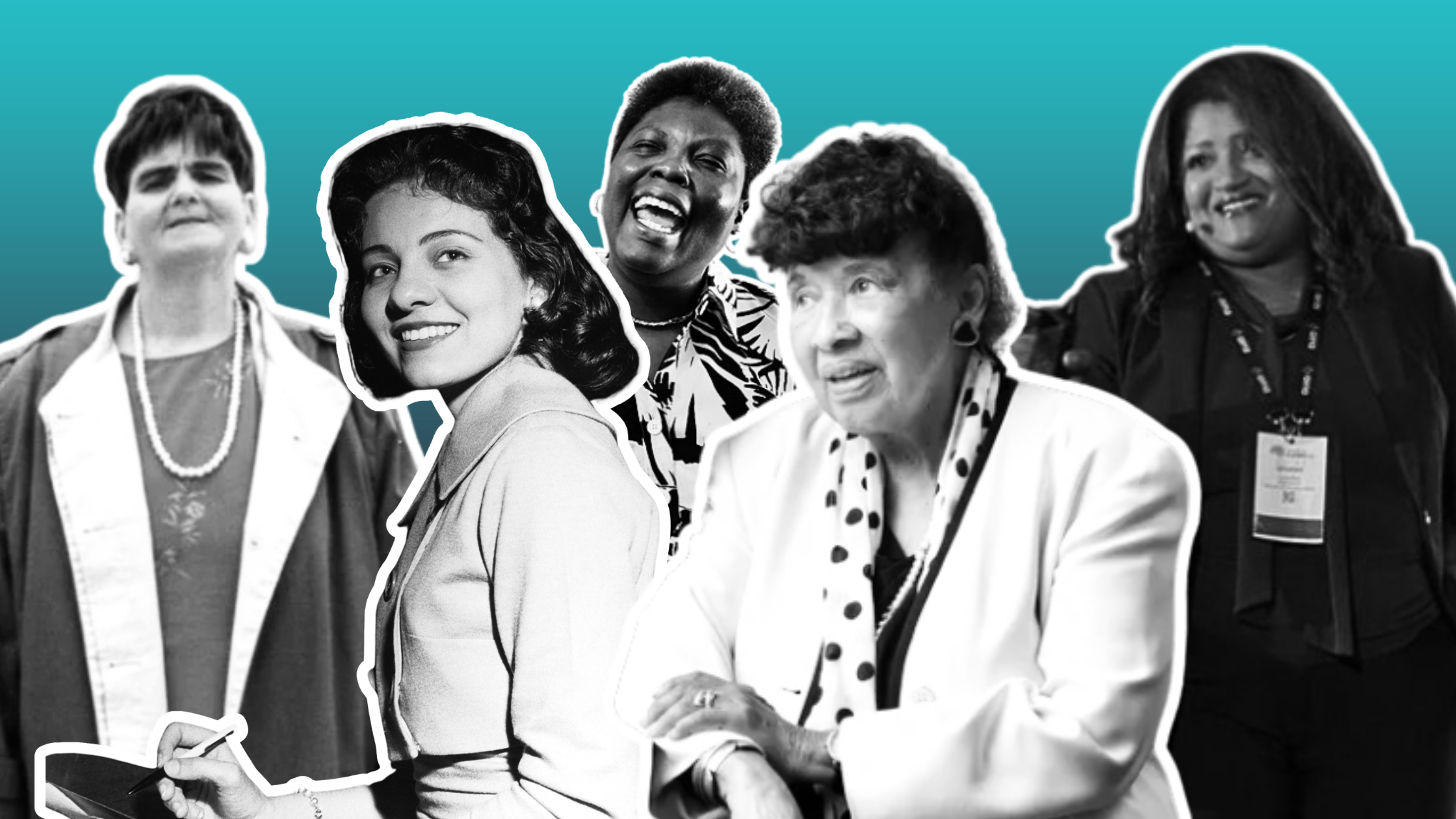
March is Women’s History Month, a reminder of the vital roles women have played in shaping history, culture, and society. This month highlights the struggles, successes, and achievements of women throughout history and inspires ongoing efforts toward gender equity.
If you’ve been following us on social media, you may have seen that we have been spotlighting women who have made significant contributions to fair housing work throughout the month. Here are five women we think you should know about:
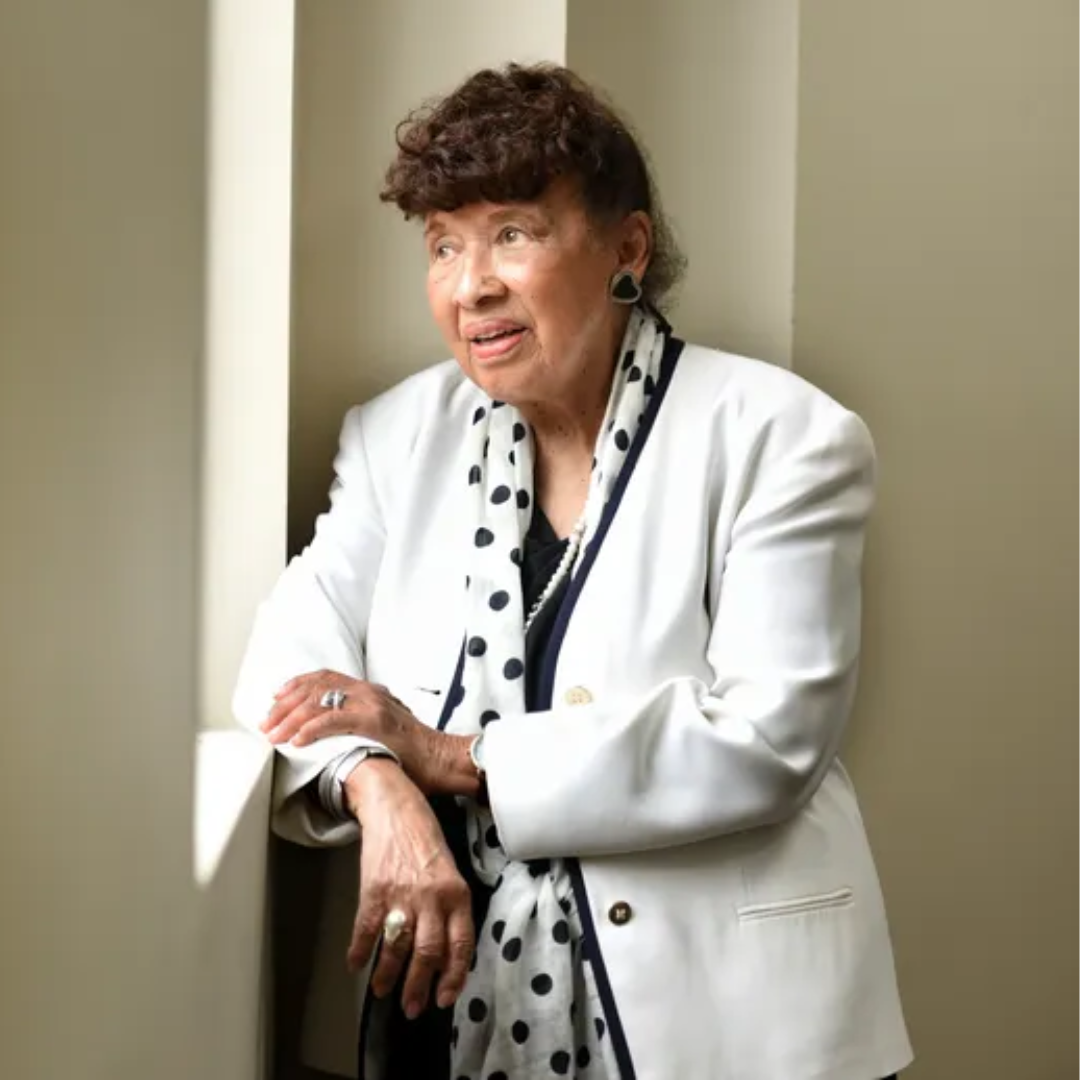
1. Lee Porter
Known as the “Mother of Fair Housing,” Lee Porter organized against racial barriers in housing, helped pioneer “fair housing testing,” and played a crucial role in establishing the Fair Housing Initiatives Program. She served as the Executive Director of the Fair Housing Council of Northern New Jersey for over 50 years, from 1971 until her death in July 2025. Porter began volunteering in 1965 after facing housing discrimination and transformed the council into a leading advocacy organization. One of her greatest accomplishments was having played a role in establishing the Council’s extensive network of resources and contacts. The Fair Housing Council referred to Lee Porter as a “force of nature and visionary leader,” saying, “Her legacy is woven into the very fabric of the communities she transformed and the countless lives she touched.”
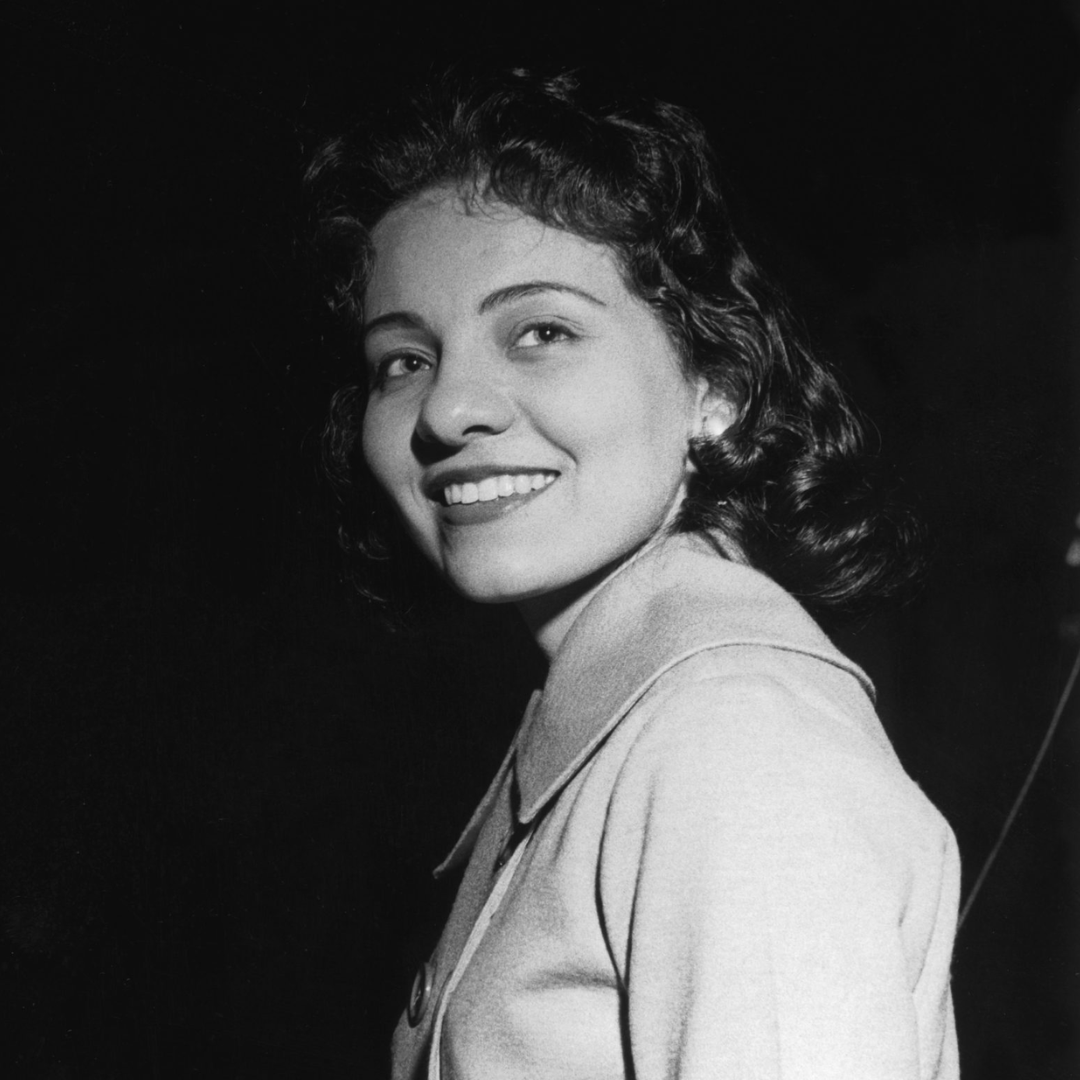
2. Diane Nash
Diane Nash was an American civil rights activist and a leading figure in the civil rights movement of the 1950s and ’60s. Nash is known for her involvement in staging sit-ins and coordinating the Freedom Rides to protest racial segregation. She said, “Every time I obeyed a segregation rule, I felt like I was somehow agreeing I was too inferior to go through the front door or to use the facility that the ordinary public would use.” Nash was involved in the 1963 March on Washington to protest racial discrimination, and was one of six female civil rights activists honored during the event. Her efforts contributed to the passage of the Civil Rights Act of 1964 and the Voting Rights Act of 1965. She later became a public school teacher, while remaining involved in activism. Diane Nash’s activism should inspire all of us to continue working to advance civil rights protections in the United States.
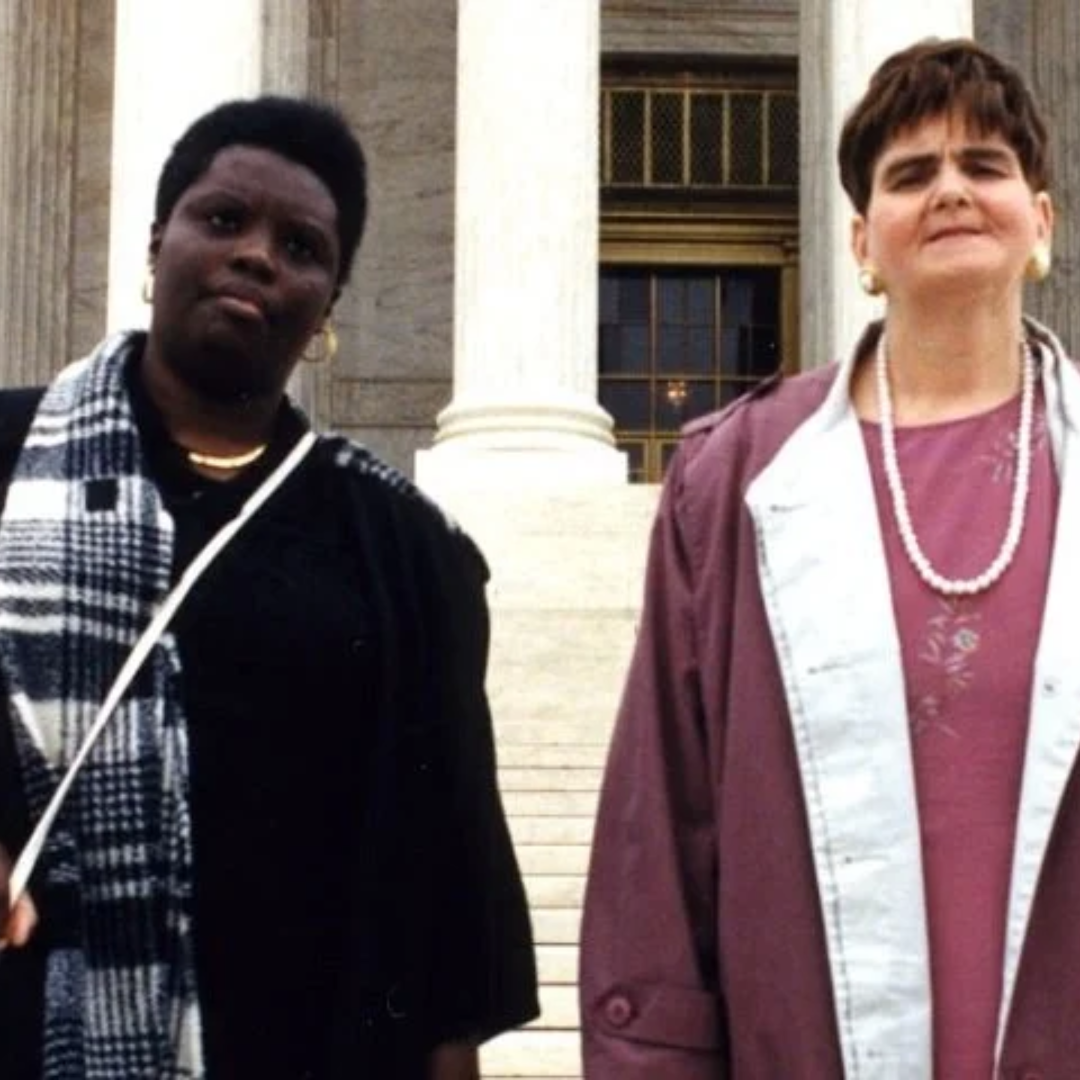
3. & 4. Lois Curtis & Elaine Wilson
As children, Lois Curtis and Elaine Wilson were both placed in state-run psychiatric institutions, forced to live in segregated housing, away from family, friends, and community life for decades. As adults, they wanted to move back into their own communities. Although mental health professionals said they were both ready to live in community-based programs, the state still wouldn’t let them move from the institution.
This prompted Curtis and Wilson to file a federal lawsuit against the State of Georgia, alleging discrimination under the Americans with Disabilities Act (ADA). Eventually, the case went all the way to the Supreme Court. On June 22, 1999, the landmark ruling in Olmstead v. L.C. confirmed that unjustified institutionalization and segregation of people with disabilities is unlawful discrimination under the ADA. Watch the video below to learn more about this story and how the Olmstead decision has impacted disability rights:
Curtis and Wilson’s fight for fair housing affirmed the legal right of individuals with disabilities to live in community-based settings, rather than in segregated institutions. Thanks to their advocacy, the Olmstead decision declared that every person has the right to self-direct their lives as much as possible, and that forced institutionalization is contrary to this goal.

5. Lisa Rice
Lisa Rice has served as the President & CEO of the National Fair Housing Alliance (NFHA) for eight years but has been with the organization since 2006. Before joining NFHA, she served as the President & CEO of the Toledo Fair Housing Center for over 13 years. In her current role, Ms. Rice leads NFHA’s efforts to advance fair housing principles, preserve and broaden fair housing protections, and expand equal housing opportunities for millions of Americans.
She is a published author, has helped lead the investigation and resolution of precedent-setting fair housing cases, and has received numerous honors and awards for her impactful work promoting fair housing. Ms. Rice played a major role in crafting sections of the Dodd-Frank Wall Street Reform and Consumer Protection Act, and in establishing the Office of Fair Lending within the Consumer Financial Protection Bureau. The precedent-setting cases she helped lead have resulted in providing remedies for millions of people, as well as the elimination of systemic discriminatory practices involving lending, insurance, rental and zoning matters. Throughout her career, Ms. Rice’s dedication to fair housing has advanced fair housing initiatives throughout the country, and her passion for this work continues to make an impact.
This Women’s History Month, let us remember and honor these five women — and countless others — who have played an instrumental role in advancing civil rights in the United States. Although they lived in different places and times, all five of these women have one thing in common: their determination to push for fair and equitable housing opportunities for all people.