
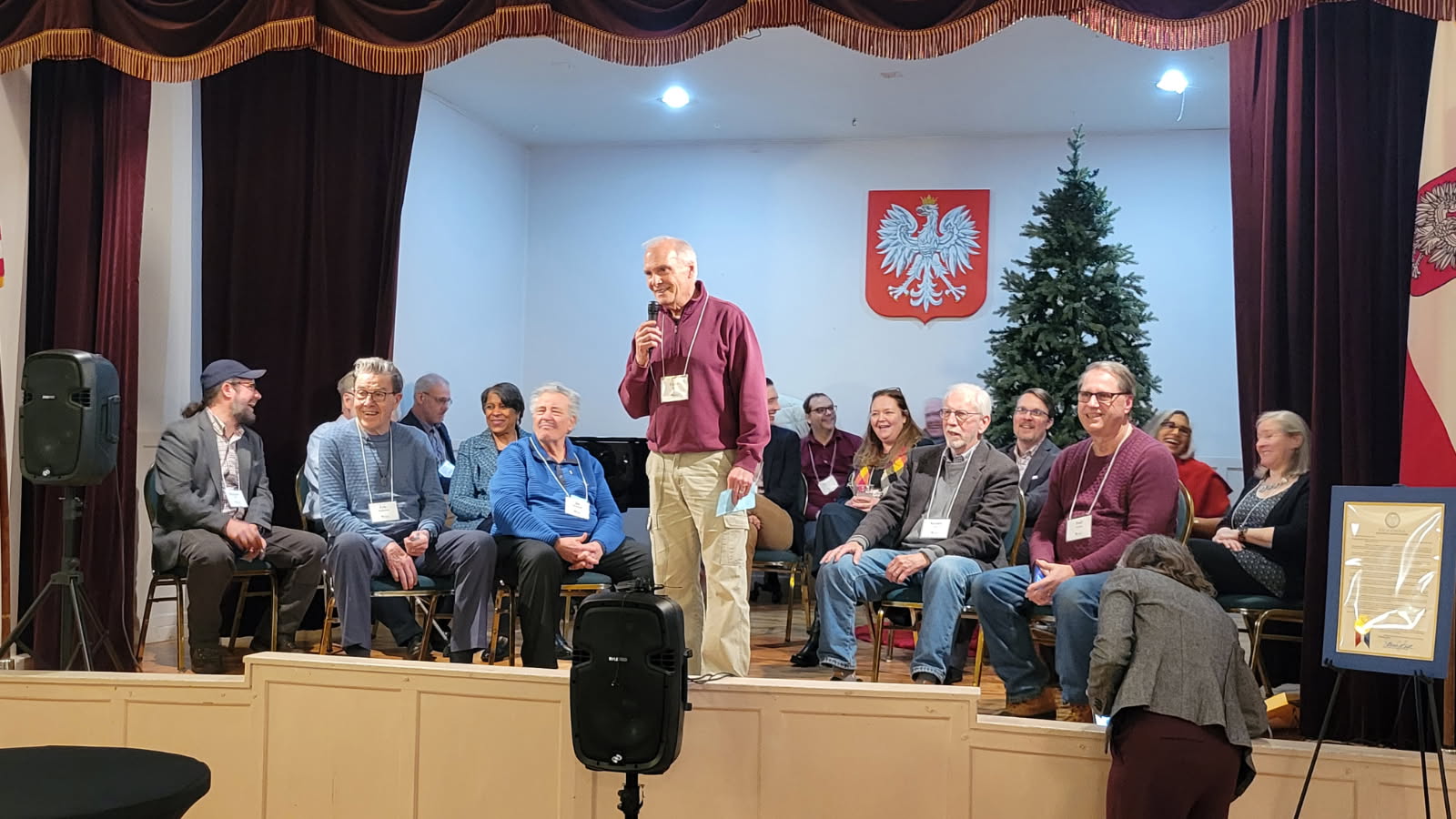
On Thursday, December 11th, 2025, the Cuyahoga County Vacant and Abandoned Property Action Council (VAPAC) celebrated their 20-year anniversary with over 70 friends and advocates. The event was held at the Polish American Cultural Center in the Slavic Village neighborhood – the “epicenter” for Cleveland’s foreclosure crisis. Proclamations were presented by Mayor Justin Bibb; Anthony Scott, Director of Cuyahoga County’s Department of Housing & Community Development Department, on behalf of County Executive Chris Ronayne; and Cleveland City Council President Blaine Griffin. A total of 18 speakers participated in a tribute to VAPAC’s history, partnerships, and accomplishments. Among these speakers were those who formed and attended the very first meeting of VAPAC, including Alan Mallach and Joe Schilling, whose 2004 research paper, Cleveland at the Crossroads, ultimately led to the formation of VAPAC.
VAPAC History & Background
VAPAC was founded in 2005 with the mission of collaboratively bringing together stakeholders to address vacant and abandoned property issues created by the mortgage foreclosure crisis. In recognition of the dynamic and complex nature of these issues, VAPAC’s mission has evolved to encompass housing and housing finance practices that could lead to vacancy, abandonment, and housing insecurity for owners and renters, as well as the negative outcomes that can impact communities and their housing markets. From its inception, VAPAC has recognized that these issues have had (and continue to have) a disproportionate impact on communities of color. Racial justice, equality and racial equity have always been implicit in the work of VAPAC, and they continue to be core principles that guide VAPAC’s work.
The Fair Housing Center is honored to have two of our staff members – Frank Ford, Senior Policy Advisor, and Heather Lazar, Program Manager – deeply involved in the work of VAPAC. We sat down with Frank to ask him more about his involvement with VAPAC over the last two decades. Here’s what he had to say:
Q1: Can you provide some background on how VAPAC got started, and your involvement in the group?
Frank: I started working at Cleveland Neighborhood Progress (then called Neighborhood Progress, Inc.) in 1999. In 2003 Eric Hoddersen, then President of NPI, asked me to head up a project looking at the emerging problem of vacant and abandoned homes produced by mortgage foreclosure. Eric knew I had litigated the first test case against an abandoned home under Ohio’s public nuisance/receivership statute back in 1984. In Fall 2003 I heard of a national initiative that was offering to study vacant property problems in cities in America; they were looking for a city to do the first study. I suggested Cleveland.
Three organizations— Local Initiatives Support Corporation (LISC), Center for Community Progress, and Smart Growth America—recruited three consultants to go out to a city and spend months, or in the case of Cleveland, spend a year, working on a study of vacant property issues in that city.
I assembled a steering committee of about 20 local people that were interested in the question of what to do about vacant abandoned property. We were the oversight group for the study, entitled Cleveland at the Crossroads, which was authored by Alan Mallach, Joe Schilling, and Lisa Mueller Levy.
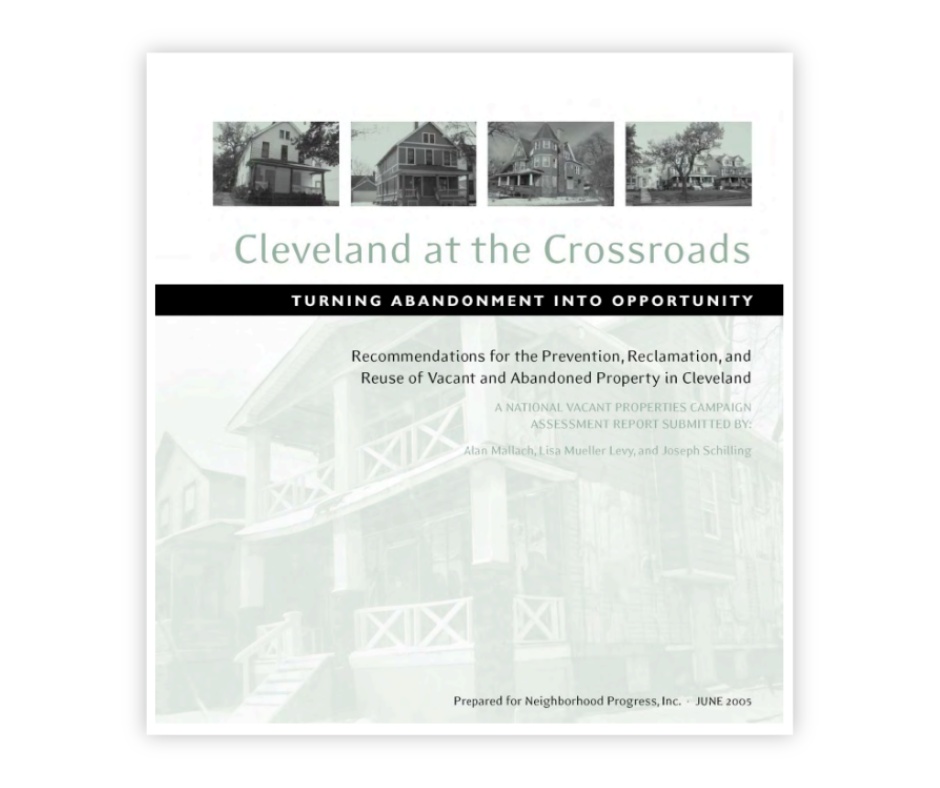
The study [was] released in June of ‘05, and there were two major recommendations. One was that there should be a data system housed at Case [Western Reserve] that has since become NEOCANDO and the NST. The second big thing was that all the people who are involved, and everybody who touches the problem, is affected by the problem, or is interested in the problem of abandoned property, should be brought together on a monthly basis in a coalition. That became VAPAC.
That is how VAPAC got started. VAPAC held its first meeting on July 6th of 2005, approximately a month after the study was released.
Q2: In your opinion, what are some of the most impactful actions VAPAC has taken over the years?
Frank: The biggest thing so far has been the outcome from a property tax investigation, which resulted in the publication of a white paper on tax delinquency. It’s a pretty big deal because I don’t know any other city or county that’s had that kind of impact on the policies of their fiscal office. We were trying to address the negative things that we saw coming from the way property tax delinquency was being handled. The first major issue that we were dealing with was that the county, instead of working with people who are delinquent, was selling homeowner’s tax debt to private investors. There are two downsides to this. Number one is that these private investors tend to be very harsh and draconian in their debt collection methods. Once somebody’s debt is sold to one of those entities, there’s a high probability they’ll lose their home. There’s very little chance they’re going to work something out. That’s what we didn’t want to see, if possible.
The second issue is that when the investor did foreclose on the tax lien and then took the property at a Sheriff sale, they were often letting those homes sit there as vacant abandoned properties and not maintaining them. I think we fixed both of these [issues] because, even though tax liens are still being sold, they’re being sold in a very limited way.
We also got the county to agree that if this was a vacant house to begin with, or the family moved out for whatever reason, then the tax lien would not be sold. We wanted the vacant abandoned homes to be transferred to the county land bank, so they could do something with them in a productive way. So, we did have a major impact. I would say today there’s far fewer tax liens being sold, and when they are being sold, they don’t result very often in anybody losing their home. It’s very infrequent that we ever hear of a vacant abandoned house that ends up being the result of a tax lien being sold. Those are huge differences compared to 10-15 years ago.
We also spent several years working on an investigation of real estate investor activities in Cuyahoga County and produced a similar research report. The report included recommendations for the state, county, and the City of Cleveland, and there has been progress on all three levels.
There are some other smaller, but still very significant, actions VAPAC has taken over the years. For example, about two years ago, Cleveland City Council was approached by a private company that sells renters’ insurance. [VAPAC] created a working group, and we spent maybe two months investigating this. What we discovered was that this product was masquerading as renters’ insurance when, in fact, its operation would be deceptive and harmful to renters. Thanks to VAPAC’s work investigating the potential disadvantages of this proposal, City Council did not agree to work with this company.
Here’s one last example that is actually fairly significant. It’s another case where something proposed sounded good initially, but when you look behind it, you see, well, maybe it isn’t.
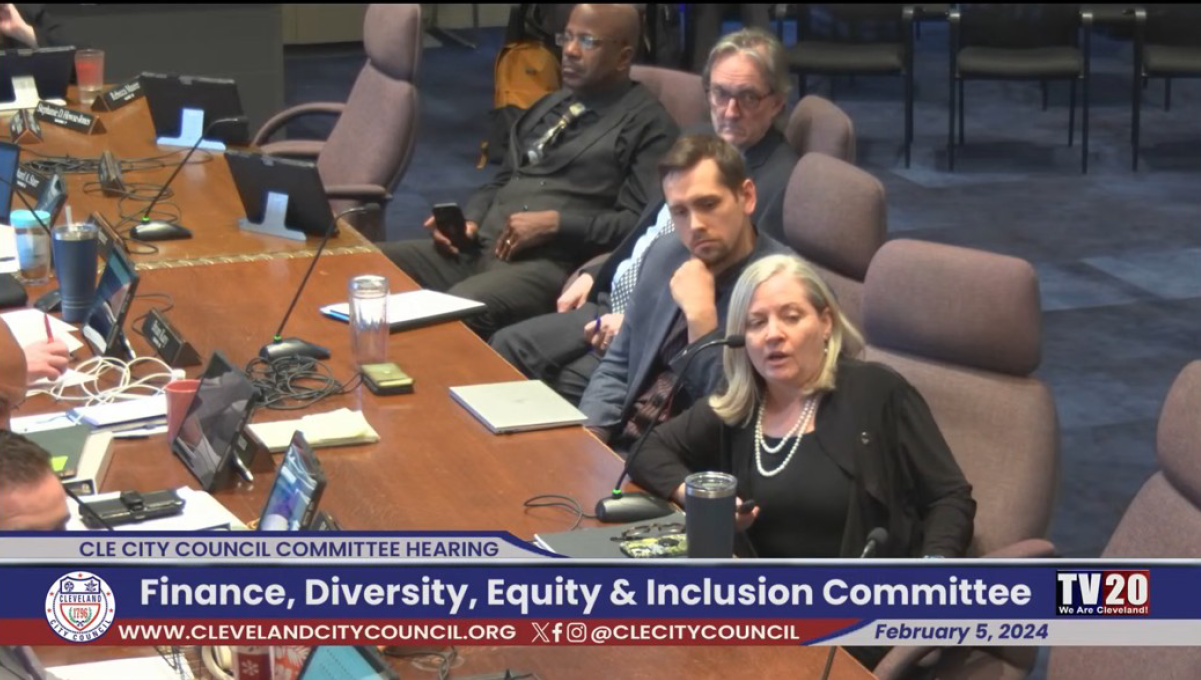
The state of Ohio proposed they would adopt the Property Assessed Clean Energy (PACE) program which provides financing for energy efficient residential home improvements. In theory this is a great idea. There were three or four companies in the United States that set up a financing system for these energy efficient home improvements. But after investigating it, VAPAC discovered that California’s Attorney General was suing these private companies for operating a predatory financing scheme. An investigation by ProPublica revealed there were high rates of default and foreclosure in Black communities, [and] people were losing their homes. [VAPAC] produced a report that recommended that the state of Ohio [and] Ohio counties not do this, unless they build in consumer protections for homeowners looking to improve their homes. We spent about a year on this, and eventually, these companies dropped their plans to operate in Ohio. This was a significant victory.
Q3: How does the work of VAPAC connect to fair housing work?
Frank: There is an abundance of data that suggests that Subprime and predatory lending targeted Black communities. And beyond the data, there have been court cases brought by the Justice Department against lenders for violations of civil rights and fair housing. Loan officers testified they were instructed to target Black communities for predatory subprime loans. The idea of “predatory” is that you are targeting communities that you’re claiming are a bad risk, just because they’re Black. And you’re going to say, ‘We’ll give you loans, but they’re only going to be these high-interest loans.’ And the fact is that those loans were not sustainable and that’s what led to all the foreclosures.
Most of VAPAC’s work over the past 20 years can be traced back to predatory lending and foreclosure and the ongoing negative impacts they continue to have on communities of color in Cuyahoga County.
Q4: How has VAPAC’s work and focus evolved throughout the years?
Frank: VAPAC started in 2005, focused only on how to address vacant homes in Cleveland. At the very beginning, our focus was so narrow we weren’t even focused on how to stop foreclosures [or vacancies] from happening. There was an evolution we had to go through. It was about 2 years in that we realized it made sense to partner with groups in Cleveland and Cuyahoga County that were doing foreclosure counseling to try to stop people from losing their homes.
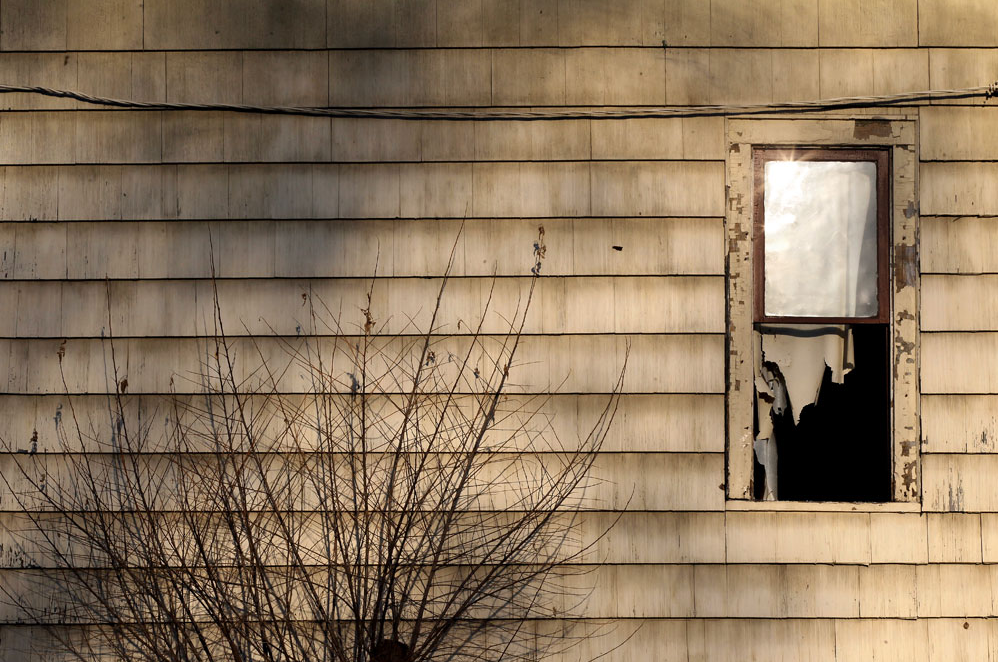
The evolution of VAPAC has been a broadening of focus and scope, all based on what the members want to explore. Over time the focus has expanded to address a wide range of things negatively impacting residents, both renters and homeowners, in Cuyahoga County, particularly with an emphasis on those who are underserved, people of color, [those who are most] vulnerable, and how they are being affected. [VAPAC explores] ways that either the government could change how it does things, or ways that some private industry, investors [or] banks for example, could change how they’re doing things that could lead to better outcomes.
There has also been an evolution as to who is involved in VAPAC. When we started, the first meeting probably only had 10 people at it. And really, it was only City of Cleveland people and several nonprofits. And today, VAPAC’s email list has [around] 120 people. Now, we typically get at least 30 people at a meeting. It’s city departments, it’s county departments, and representatives from organizations like the Federal Reserve Bank of Cleveland, the Cuyahoga County Land Bank, Cleveland State University, Case Western Reserve University, and the Legal Aid Society of Cleveland. So, the number of organizations and the diversity of organizations is far greater than it was in 2005. And that all reflects a broadening of focus, and allowing that focus to evolve out of what [VAPAC members] want and what they’re interested in.
I believe much of the success of VAPAC is because of this organic evolution.
Q5: What do you hope to see VAPAC accomplish in the future?
Frank: Part of what needs to be accomplished going forward is to continue to serve as a forum where new trends and emerging issues can surface. We need to continue to stay on top of things and have the capacity to monitor, using property data and using the systems that are available at Case Western, and just continue building a good infrastructure for following, tracking, and monitoring what’s happening in neighborhoods and suburbs.
What also comes to my mind is what we’re already starting to do. In 2025, VAPAC has already started looking at the changes that are occurring at the federal government level, which, of course, we see impacting The Fair Housing Center. Going forward there are likely to be similar things that could affect the other issues that VAPAC is working on, whether it be investors or any kind of community development issues. I think for VAPAC, which has had its focus mostly locally, engaging on statewide or national issues means thinking about how we connect with other organizations working on a bigger scale.
In 20 years, everything that we’ve managed to do has started with identifying an issue or concern. Beyond the issue being identified, then the next step is, are there enough people who will say, ‘Oh, I want to work on that. Let’s create a new VAPAC working group on that subject matter,’ — whatever that subject is. It only continues as long as there are people willing to attend the meetings to work on some issue. Ultimately, what I’d like to see […] is that VAPAC will, on an ongoing basis, continue to be a forum to discuss and work on issues that emerge.
We are fortunate to have an organization like VAPAC working to address issues surrounding vacant and abandoned properties in Cuyahoga County, and our communities are better for the work VAPAC has done over the past two decades. We look forward to all the ways that VAPAC and its members will continue to impact our communities in the next 20 years. To learn more about VAPAC’s most significant work throughout the years, please visit https://thehousingcenter.org/vapac.